Why Beginners Struggle
The aquarium hobby has an unusually steep early learning curve. Fish stores are often staffed by salespeople rather than experts. Online advice is contradictory. And the consequences of mistakes aren't always immediate — fish can look fine for days while water conditions deteriorate silently beneath the surface.
The good news: almost every common beginner mistake is known, documented, and completely avoidable with the right information. Read this guide before you set up your tank and you'll sidestep the problems that cause most beginners to quit the hobby in frustration.
Mistake #1: Not Cycling the Tank First
Adding fish to an uncycled tank is the single most common cause of early fish death. Ammonia builds up within 24–48 hours and reaches lethal levels within days.
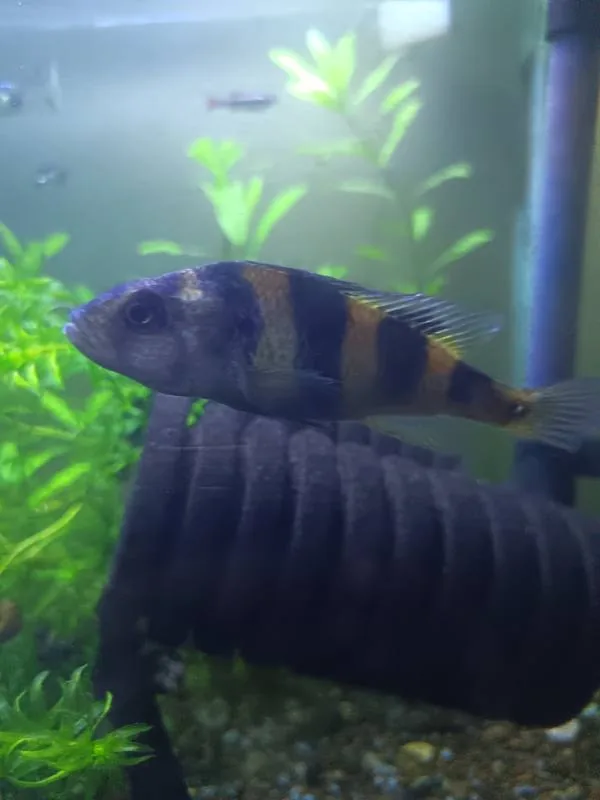
A brand new aquarium has no beneficial bacteria to process fish waste. When you add fish immediately, ammonia spikes rapidly. Even at 0.25 ppm it stresses fish; at 2–4 ppm it's lethal. This is called New Tank Syndrome, and it kills more beginner fish than anything else.
The fix: Run the tank empty for 4–8 weeks with an ammonia source before adding any fish. Test for ammonia, nitrite, and nitrate regularly. The tank is ready when you can add 2 ppm of ammonia and both ammonia and nitrite read 0 ppm after 24 hours. Read our full cycling guide for step-by-step instructions.
Mistake #2: Overstocking the Tank
More fish = more fun, right? Not in a small tank. Overstocking is one of the most common mistakes and one of the most damaging. Too many fish produce more waste than your filter bacteria can process, causing ammonia and nitrite to rise. It also increases aggression, spreads disease faster, and exhausts your fish through constant stress. Before buying any fish, run your stocking list through our stocking calculator — it tells you whether your tank volume and filtration can handle the bioload, and flags incompatible species combinations before you bring them home.
The classic beginner move: buying 10 fish for a 10-gallon tank because "they're only small." Those "small" fish grow. And even at small sizes, 10 fish in 10 gallons is almost certainly overstocked.
The fix: Use our stocking calculator before buying any fish. As a rough rule, allow 1 inch (2.5 cm) of adult fish body length per gallon of water. Stock gradually — add one group at a time, wait a week, test the water, then add more.
Mistake #3: Buying Fish on Impulse
The fish store is dangerous. You walk in for one thing and walk out with a bag of "that beautiful fish I've never seen before." Impulse purchases are responsible for incompatible tankmates, fish that outgrow the aquarium, and species with requirements you're not set up to meet.
Common impulse-buy disasters: common plecos (Pterygoplichthys spp., sold as 2-inch (5.1 cm) juveniles, grow to 24 inches (61 cm)), oscars (Astronotus ocellatus, adorable at 3 inches (8 cm), aggressive at 14), tiger barbs (pretty but fin-nipping menaces in small groups), and red-tailed sharks (territorial and relentless in small tanks).
The fix: Always research a fish before buying it. Check its adult size, water parameter requirements, temperament, and minimum tank size. Our fish database covers 75 species with full care sheets. If you haven't researched it, don't buy it.
Mistake #4: Using Test Strips Instead of a Liquid Kit
Test strips are convenient and cheap. They're also notoriously inaccurate — often reading ammonia and nitrite as 0 ppm when there are dangerous levels present. Multiple studies and countless hobbyist reports have found strips regularly miss readings that a liquid kit catches correctly.
In a hobby where test your water parameters literally determine whether your fish live or die, inaccurate testing is not an acceptable tradeoff for convenience.
The fix: Buy the API Freshwater Master Test Kit. It covers ammonia, nitrite, nitrate, and pH with reliable liquid reagents. It costs more upfront but each test costs pennies and lasts for hundreds of tests. It's the single most important piece of equipment after your filter.
Mistake #5: Overfeeding
Fish are always begging for food. They will eat themselves sick and still come back for more. Beginners, seeing hungry-looking fish, keep feeding. Uneaten food sinks to the substrate, rots, and releases ammonia. This alone can spike a cycled tank into dangerous territory.
Signs of overfeeding: cloudy water, food sitting on the substrate after 5 minutes, algae blooms (excess nutrients fuel algae growth), and foul smell from the tank.
Feed only what your fish can consume in 2 minutes. For most community tanks, once or twice daily in small amounts is plenty. If food is still sitting on the substrate after 5 minutes, you're overfeeding. Skip a day — it won't hurt them.
Mistake #6: Cleaning the Filter with Tap Water
Your filter media is where your beneficial bacteria live. Those bacteria are what keep ammonia and nitrite at 0 ppm. Rinsing filter sponges and media under tap water — which contains chlorine and chloramine — kills those bacteria. This "mini-cycles" your tank, causing ammonia and nitrite to spike as the bacterial population crashes and rebuilds.
This mistake is especially painful because it often happens right after a successful cycle, when the tank finally seemed stable. Then the owner cleans the filter "to keep things healthy" and suddenly fish start dying again.
The fix: Clean filter media by rinsing it gently in a bucket of old tank water removed during a water change. Never use tap water. Never wring out filter sponges — squeeze gently. Never replace all filter media at once; replace one piece at a time to preserve the bacterial colony.
Mistake #7: Skipping Water Changes
Even a perfectly cycled tank with healthy bacteria accumulates nitrate over time. Nitrate is the end product of the nitrogen cycle — relatively harmless at low levels, but suppressive to fish immune systems and stressful above 40 ppm. The only way to remove it is through water changes.
Some beginners avoid water changes because they're worried about disturbing the fish, or they think a big filter means they don't need them. Neither is true. Regular partial water changes are the cornerstone of fish health.
The fix: Do a 20–30% water change weekly for most community tanks. Use a gravel vacuum (siphon) to remove waste from the substrate at the same time. Always treat tap water with a dechlorinator (like Seachem Prime) before adding it to the tank. Match the temperature of new water to tank water to avoid shocking your fish.
Mistake #8: Choosing Incompatible Fish
Not all peaceful fish are compatible with each other. A fish's needs for water temperature, pH, hardness, and space must overlap with every other species in the tank. And "peaceful" on the label doesn't mean they won't nip fins or compete for territory.
Common incompatibility disasters: keeping goldfish (Carassius auratus, cold water) with tropical fish, housing tiger barbs with bettas (Betta splendens, barbs will shred the betta's fins), mixing African cichlids (high pH, hard water) with South American species (low pH, soft water), or adding large cichlids to a community tank.
The fix: Before buying any fish, confirm that it matches the water parameters, temperature, and temperament of every other species already in your tank. When in doubt, consult our fish database or research the species specifically. Don't rely on fish store staff alone — their advice is often incomplete.
Mistake #9: Getting a Tank That's Too Small
Beginners often start small thinking it'll be easier. In practice, the opposite is true. Small tanks are harder to maintain because water parameters change faster, there's less buffer against mistakes, and temperature swings more rapidly. A 5-gallon tank can go from safe to lethal in hours if something goes wrong. A 30-gallon gives you days.
The most common advice from experienced aquarists to complete beginners: start bigger than you think you need. A 20-gallon long is the sweet spot for a first tank — large enough to be forgiving, small enough to be affordable and manageable.
In a 10-gallon tank, overfeeding once or skipping a water change can cause a crisis within days. In a 30-gallon, the same mistake gives you much more time to catch and fix it before fish are affected.
Mistake #10: Adding Fish Too Quickly After Setup
You've cycled the tank. It tests perfect. You're excited. So you go to the store and buy ten fish and add them all on the same day. Within a week, fish start dying. What happened?
Even a fully cycled filter has a bacterial population sized for its current bioload — zero fish. Adding ten fish at once means the bacteria population needs to scale up dramatically, almost overnight. It can't keep up. Ammonia spikes. Fish die.
The fix: Add fish slowly and in stages. Start with a small group (3–6 fish depending on size). Wait one full week. Test your water. If ammonia and nitrite are still at 0 ppm, add the next group. Repeat until you reach your target stocking level. Your bacterial colony will grow in step with the bioload, and your tank will stay stable throughout.
Quick Reference: All 10 Mistakes
| # | Mistake | Fix |
|---|---|---|
| 1 | Not cycling the tank | Fishless cycle for 4–8 weeks before adding fish |
| 2 | Overstocking | Use the stocking calculator; 1 in (2.5 cm) of fish per gallon max |
| 3 | Impulse buying fish | Research adult size and requirements before every purchase |
| 4 | Using test strips | Buy the API Master Test Kit liquid kit |
| 5 | Overfeeding | Feed only what's eaten in 2 minutes, once or twice daily |
| 6 | Cleaning filter with tap water | Rinse media in old tank water only, never tap water |
| 7 | Skipping water changes | 20–30% weekly with gravel vacuum and dechlorinator |
| 8 | Incompatible fish | Match water parameters, temperature, and temperament for all species |
| 9 | Tank too small | Start with at least 20 gallons for your first tank |
| 10 | Adding fish too fast | Add in stages, test between each addition, wait one week |
You've Got This
Every experienced aquarist made at least one of these mistakes when they started. The difference between those who quit and those who stayed in the hobby is usually just information — knowing what to avoid before it happens rather than learning it from dead fish.
Set up your tank correctly from the start: cycle it, stock it slowly, test the water regularly, feed sparingly, and do consistent water changes. Do those five things and you'll have a healthy, thriving aquarium that brings you genuine joy for years.
Avoid Mistake #2 — Check Your Stocking
Use our free stocking calculator to make sure your fish list fits your tank before you buy.
Open Stocking Calculator →