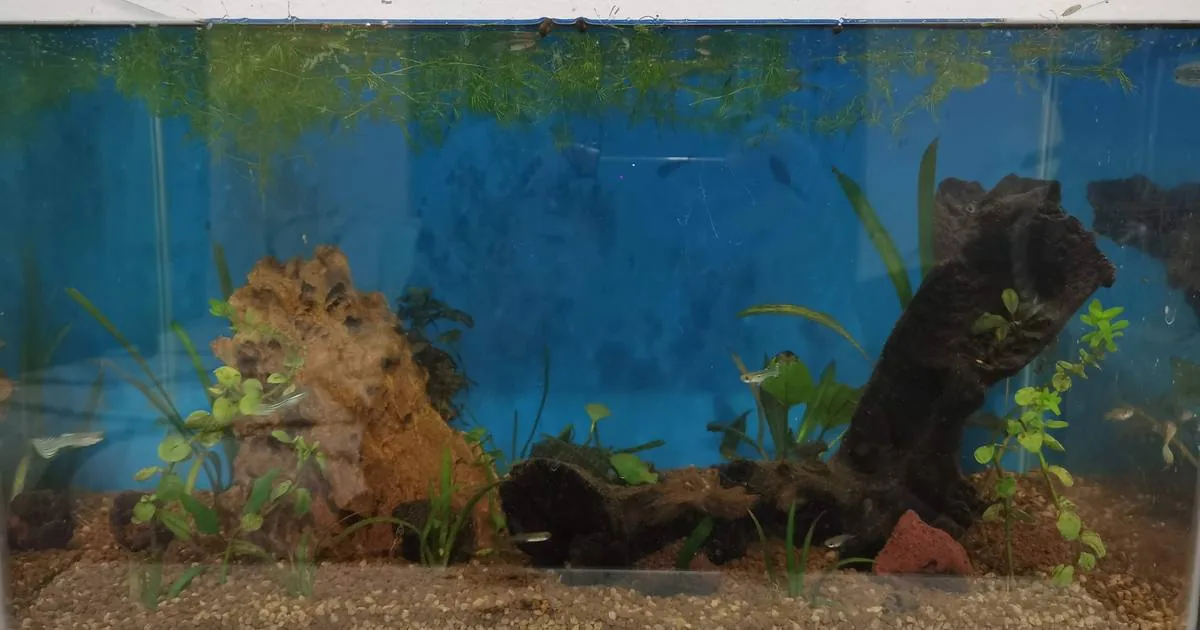
A heater is one of the most assumed pieces of aquarium equipment — but it is also one of the most unnecessary for a wide range of freshwater species. The assumption that every fish tank needs a heater running 24 hours a day is one the aquarium industry is happy to encourage, but the reality is that many of the hobby's most beautiful and beginner-friendly fish come from temperate rivers and mountain streams where cold water is home.
After years of keeping unheated tanks — including winters where tank temperatures drop into the low 18°C range — the no-heater approach is not just viable, it is often preferable. Cold water fish are almost universally hardier, more disease-resistant, and more forgiving of the water quality fluctuations that catch beginners out.
Why Go Heater-Free?
Beyond the obvious electricity cost saving — which matters especially during extended power cuts — there are real biological advantages. Heaters fail, and a stuck-on heater in a small tank can cook your fish overnight. Cold water holds dissolved oxygen more efficiently, meaning fish are less stressed and more active. Many common fish diseases — ich, velvet, bacterial infections — thrive in warm water. Cold water tanks see fewer outbreaks.
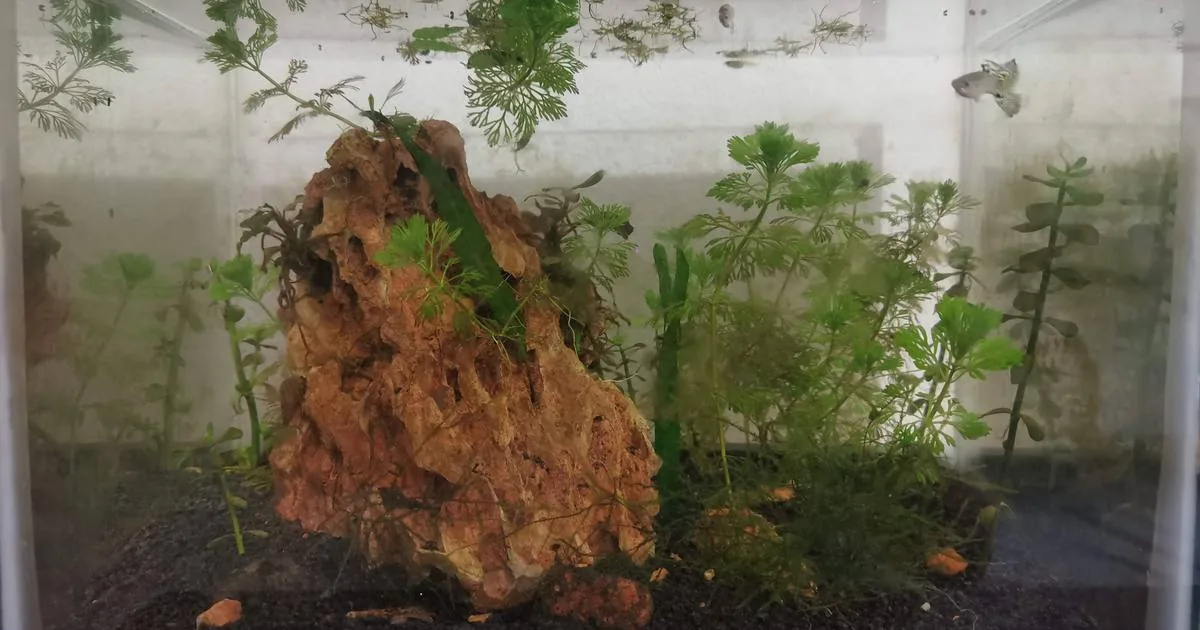
A 30cm cube — the tank where this fishkeeping journey started. No heater, basic setup, big lessons.
What Temperature Range Are We Talking About?
Cold water aquarium fish are generally comfortable in a range of 15°C to 24°C. This covers typical indoor temperatures in most homes across all four seasons without tank heating. Indoors, room temperatures rarely drop below 17°C even in winter. A thermometer is still essential — you want to know your tank temperature even if you are not heating it. Sudden drops below 14°C in an extreme cold snap might warrant temporary intervention, but this is rare in most homes.
The Best Cold Water Fish for an Unheated Tank
White Cloud Mountain Minnow
White Cloud Mountain Minnows are without question the best cold water aquarium fish available. Originally from mountain streams in China where water temperatures sit between 14°C and 22°C, they are perfectly suited to an unheated indoor tank year-round. Their pace is measured and elegant — not darting frantically or sitting lethargically. Males develop beautiful red and gold colouring when well kept, and the species breeds readily in a well-planted tank. For anyone building a cold water setup for the first time, start here.
Zebra Danio
Zebra Danios are legendary for their hardiness. They were among the first fish studied for aquarium tolerance precisely because they survive conditions that kill everything else. Originally from fast-flowing rivers in India and Bangladesh, they prefer cooler, well-oxygenated water and are active schooling fish that spend most of their time in the upper third of the tank.
Bristlenose Pleco
Bristlenose Plecos are the most practical algae eater for a cold water setup. Unlike Chinese Algae Eaters which outgrow most tanks and become territorial with age, BNs stay manageable at 10 to 15cm and remain useful throughout their lives. They are genuinely cold tolerant — comfortable from 16°C to 26°C — and breed readily in unheated setups using caves.
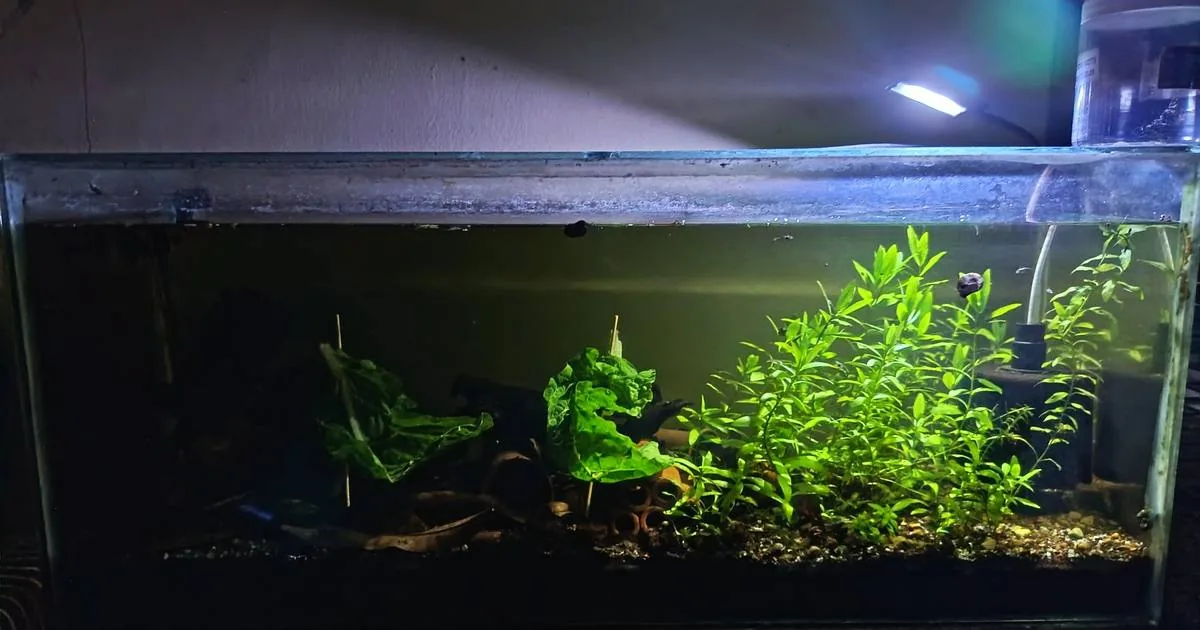
The current 90cm tank — BNs, hygrophila, and driftwood. No heater, stable year-round.
Hillstream Loach
Hillstream Loaches are fascinating fish that attach to glass and rocks using a modified belly that acts like a suction cup. They originate from fast-flowing, highly oxygenated cold streams in Asia and require cooler water than most aquarium fish — they actually do better without a heater than with one. They graze on biofilm and soft algae on smooth surfaces and are entirely peaceful.
Endler's Livebearer
Endlers are more cold-tolerant than regular guppies and handle temperatures down to 18°C comfortably. Males are small, intensely colourful, and constantly active. They work well in a species-only setup or with fast-moving fish like danios — but give them their own tank or accept that they will dominate everything else around them.
The Warning: Lake Victoria Cichlids
A friend once gifted a pair of Lake Victoria cichlids — Haplochromis species with bold black and gold vertical bars, sold loosely in fish stores as "Lake Victoria cichlids." Within weeks they had systematically hunted down every White Cloud Mountain Minnow, every guppy, and picked off BN fry as they emerged from the cave. They eventually attacked and killed the adult male BN too. The tank was wiped out completely. Never accept fish from someone without identifying the species first — a free fish can cost you everything else in the tank.
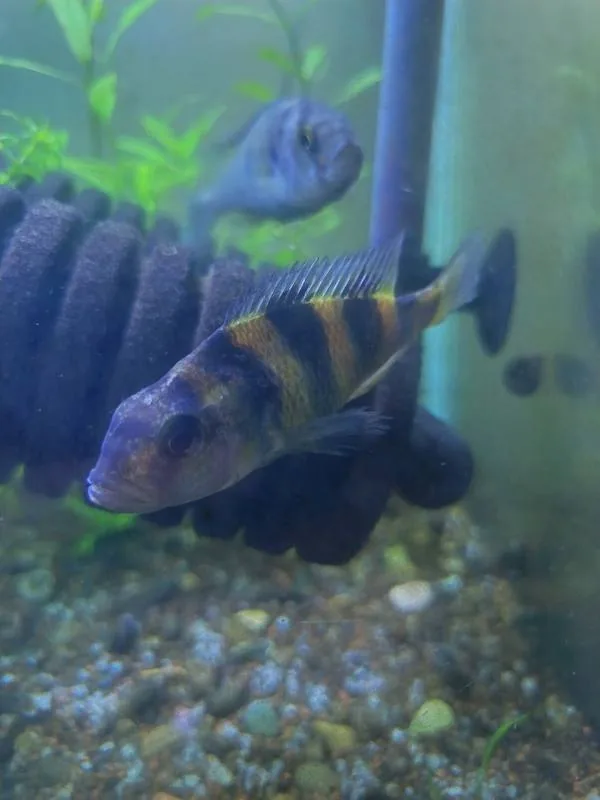
The Haplochromis that wiped out the tank — beautiful fish, completely wrong for a community setup
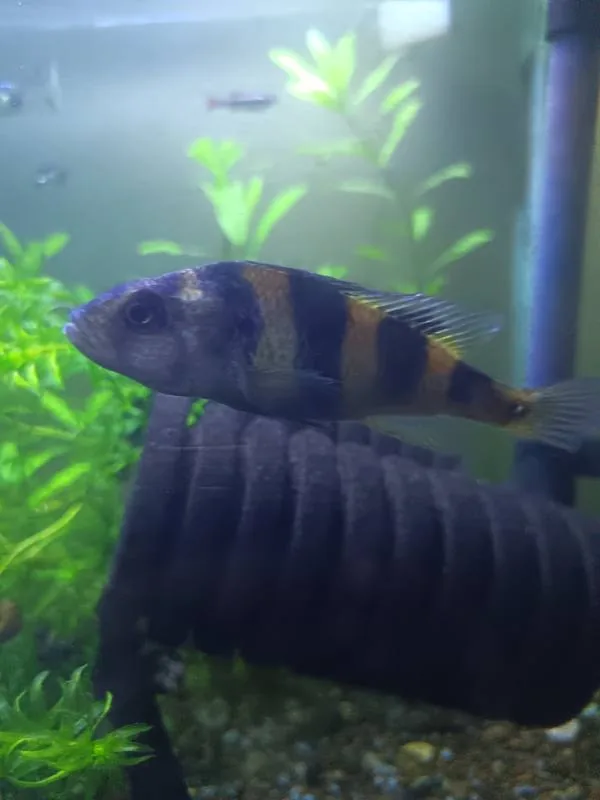
The second cichlid — by the time these were removed, the damage was done
Other Species to Avoid in an Unheated Tank
Betta fish need 24°C to 28°C minimum — cold makes them lethargic and suppresses their immune system. Neon and cardinal tetras struggle below 22°C and develop infections easily in cool water. Mollies are genuinely tropical despite being livebearers and do not do well below 22°C — and their aggression toward each other compounds the problem. African cichlids from Lake Malawi and Tanganyika need stable warm water and are aggressive in any setup.
Setting Up a No-Heater Cold Water Tank
Cold water fish generally come from well-oxygenated streams and rivers — a sponge filter or airstone that creates good surface movement keeps oxygen levels where these species need them. For plants, java fern, anubias, hornwort, guppy grass, and vallisneria all grow well at cooler temperatures. Position the tank away from direct sunlight in summer — a cold water tank in a sunny spot can reach dangerously high temperatures without a chiller. Indoor positioning away from direct sun with natural airflow works best year-round.
The Real Advantage of Cold Water Fishkeeping
The no-heater approach is not a compromise — it is a choice that opens up a genuinely underexplored section of the hobby. White Cloud Mountain Minnows are as beautiful as any neon tetra. Zebra Danios are as active as any tropical schooling fish. Bristlenose Plecos are more useful than any algae eater on the tropical list. And all of them can live in a tank that costs less to run, requires less monitoring, and gives you fewer equipment failure risks. Sometimes the simplest setup is the best one.