A 10 gallon tank is the most popular starter aquarium size — and for good reason. It's small enough to fit on a desk or stand, affordable to set up, and large enough to keep stable water parameters (unlike 5 gallon "nano" tanks that crash fast if you miss a water change). But 10 gallons is also the tank size where beginners make the most stocking mistakes, because the fish that work in a 10 gallon are not the same fish that work in a 20 gallon. This hub covers everything you need to know about stocking, setting up, and maintaining a 10 gallon freshwater tank.
Only stock fish that stay under 3 inches AND are not fast swimmers. A 10 gallon is 20 inches long — that's not enough horizontal room for fish that dart across the tank. Danios, rainbowfish, silver dollars, and most barbs need 20+ gallons for swimming room, not bioload.
What fish CAN live in a 10 gallon tank?
Here's the honest list — fish that genuinely thrive in a 10 gallon, not just survive. I've kept all of these in 10 gallon setups at various points:
| Species | Adult Size | How Many in 10 gal | Notes |
|---|---|---|---|
| Betta Fish (male) | 6–8 cm | 1 only | The classic 10g centrepiece. Colourful, personable, easy to care for. |
| Ember Tetra | 2 cm | 8–10 | Tiny, glowing orange. Perfect nano schooling fish for 10g. |
| Chili Rasbora | 2 cm | 10–12 | Vivid red micro-fish. Need soft, acidic water. Shrimp-safe. |
| Celestial Pearl Danio | 2.5 cm | 6–8 | Galaxy-patterned beauties. Confident in groups. Breed readily. |
| Pygmy Corydoras | 2.5 cm | 6–8 | Smallest cory. Swim mid-water, not just bottom. Need sand. |
| Otocinclus | 4–5 cm | 3–4 | Algae eaters. Only add to established tanks with algae growth. |
| Endler's Livebearer (males) | 2.5 cm | 4–6 | Neon-bright colours. Males only to prevent overpopulation. |
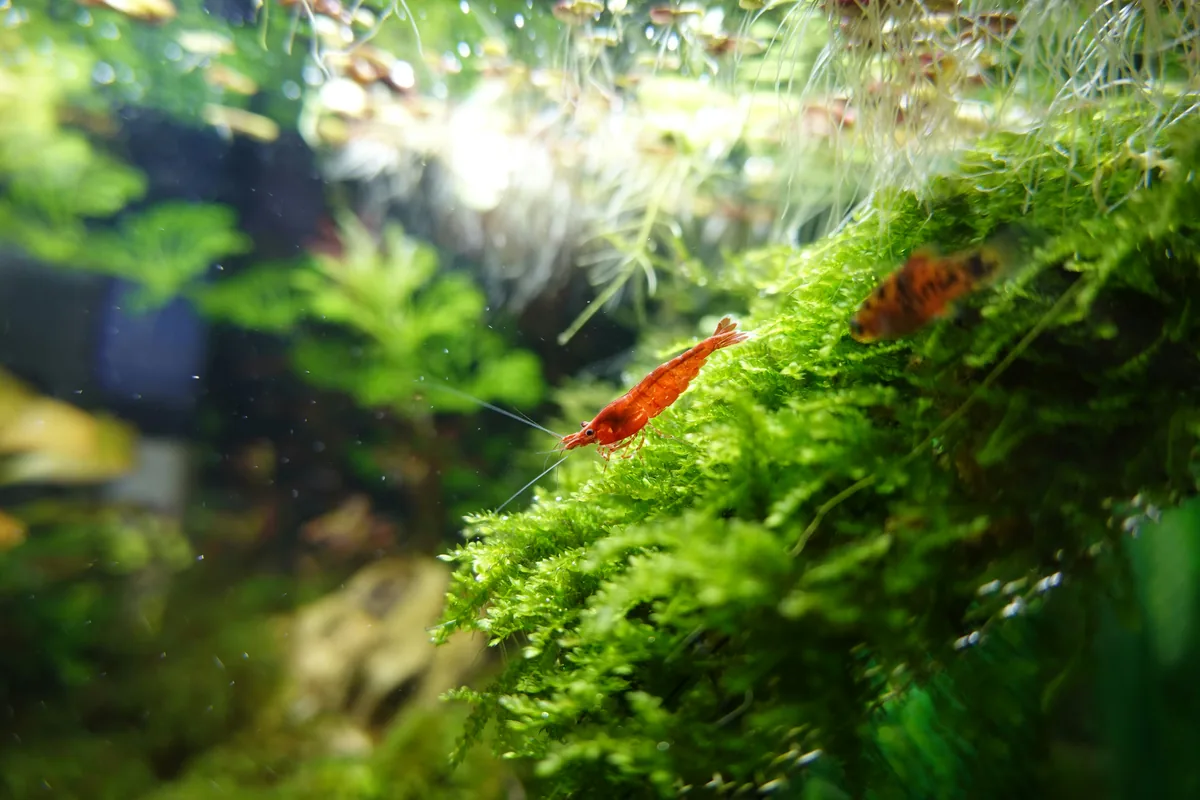
| Cherry Shrimp | 2.5 cm | 10–20 colony | Best clean-up crew. Breed readily. Don't mix with fish that eat them. |
| Nerite Snail | 2.5 cm | 2–3 | Best algae-eating snail. Can't breed in freshwater. |
| Mystery Snail | 5 cm | 1 | Large, attractive. Lay eggs above waterline (easy to remove). |
What fish CANNOT live in a 10 gallon tank
This list matters more than the first one. These are fish that are commonly sold to beginners for 10 gallon tanks and shouldn't be — either because they're too fast, too large, or produce too much waste:
| Fish | Why NOT 10 gallon | Minimum tank size |
|---|---|---|
| Zebra Danio | Fast swimmer — needs horizontal swimming room. Will stress in a 20" tank. | 20 gallon long |
| Giant Danio | Very fast, grows to 4". Needs 4-foot tank minimum. | 55 gallon |
| Rainbowfish | Active schoolers that dart across the tank. Need 3+ feet of swimming room. | 30 gallon |
| Silver Dollar | Grow to 6", fast swimmers, and will eat your plants. Way too big for 10g. | 55 gallon |
| Tiger Barb | Nippy and active. Need a 3-foot tank to spread aggression within the school. | 20 gallon long |
| Goldfish (any type) | 20 gallons per fish minimum. Massive waste producers. Cold water only. | 20 gal per fish |
| Common Pleco | Grows to 2 feet. One of the most surrendered fish because of this. | 100 gallon |
| Angelfish | Grow 6" tall. Need a tall 30+ gallon tank. Will eat small fish. | 30 gallon tall |
| Swordtail | Active swimmer that grows to 5". Needs 24"+ tank length. | 20 gallon |
| Molly | Active, grows to 4", prefers hard water. Better in 20g+. | 20 gallon |
| Corydoras (Bronze) | Need a group of 6+, and a 10g is too small for a proper school of 2.5" fish. | 20 gallon |
| Bristlenose Pleco | Borderline. Can survive in 10g but produces a lot of waste. 15g minimum really. | 15–20 gallon |
5 proven 10 gallon stocking plans
These are combinations I've run myself or seen work in real tanks. Each plan respects bioload, swimming space, and compatibility:
Plan 1: The Betta Community
1 male Betta + 6 Pygmy Corydoras + 2 Nerite Snails
The betta gets the mid-to-top of the tank, the pygmy corydoras work the bottom, and nerite snails handle algae. This works because pygmy corydoras are too small to trigger a betta's aggression and they stay in a different water column. Plant heavily to break sight lines. Avoid long-finned betta variants — they're slower and get stressed by other fish movement.
Plan 2: The Shrimp Colony
15–20 Cherry Shrimp + 2 Amano Shrimp + 3 Nerite Snails
No fish at all — just a thriving invertebrate colony. This is genuinely one of the most rewarding 10 gallon setups you can run. The shrimp breed, the amanos tackle hair algae the cherries can't, and the nerites handle glass and hardscape. Add lots of moss, cholla wood, and leaf litter. Feed sparingly — overfeeding is the #1 way to crash a shrimp tank.
Plan 3: The Nano School
10 Ember Tetras + 6 Pygmy Corydoras + 1 Mystery Snail
A purely peaceful nano community. The ember tetras form a tight orange school mid-water, the pygmy corydoras dart around the bottom, and the mystery snail cleans up. This needs a sand substrate for the corydoras' barbels. Plant with stem plants and floating plants to diffuse the light — ember tetras look best in slightly dimmed conditions.
Plan 4: The Chili Tank
12 Chili Rasboras + 10 Cherry Shrimp + 2 Otocinclus
A blackwater-inspired nano setup. Chili rasboras are one of the smallest fish in the hobby — 12 of them in a 10 gallon looks like a cloud of red sparks. Add Indian almond leaves to tint the water and provide tannins. The otocinclus handle algae (only add these once the tank is established with visible biofilm). Cherry shrimp clean up the rest.
Plan 5: The Endler Display
6 Male Endler's Livebearers + 6 Pygmy Corydoras + 2 Nerite Snails
Endler's livebearers are smaller and more active than guppies, with electric neon colours. Males only (to prevent breeding) spend the day flashing at each other and displaying. The pygmy corydoras work the bottom, nerites handle algae. This is a high-energy, colourful tank that stays within bioload limits.
Setting up a 10 gallon tank: the essentials
A 10 gallon tank measures approximately 20 × 10 × 12 inches (50 × 25 × 30 cm). The actual water volume after substrate and decoration is typically 8–9 gallons (30–34 litres). Here's what you need:
Filtration
A sponge filter or small hang-on-back (HOB) filter rated for 10–20 gallons. I prefer sponge filters for 10 gallon tanks because they provide gentle flow (no fast current to stress small fish), they're cheap, and they never trap fry or shrimp. If you use an HOB, turn the flow down or add a baffle — 10 gallon tanks don't need much circulation.
Heater
A 50W heater is sufficient for a 10 gallon in a heated room. If your room drops below 18°C in winter, use a 75W. Most nano fish and shrimp prefer 24–26°C. Bettas need 26–28°C. Use a thermometer — don't trust the heater's built-in dial.
Substrate
For a planted 10 gallon, use 1–2 inches of organic potting soil capped with 1 inch of sand (the Walstad method). For a low-tech planted tank without soil, use 2 inches of aquarium sand or fine gravel. Avoid sharp gravel — it damages corydoras barbels and bottom-dwelling fish.
Lighting
A 10–15W LED light is sufficient. Avoid overly bright lights — nano fish feel exposed in bright light and will hide. Floating plants (duckweed, salvinia, frogbit) are the best way to diffuse light in a 10 gallon and they also absorb nitrates.
Cycling
Before adding ANY fish, cycle the tank. A fishless cycle takes 4–8 weeks. Read the full cycling guide — it's the single most important thing you can do before stocking.
Common 10 gallon mistakes I see
1. Overstocking on day one. A freshly cycled 10 gallon can't handle full bioload. Add half your fish, wait 2 weeks, test ammonia and nitrite, then add the rest. The stocking calculator numbers assume a mature filter.
2. Choosing fish by bioload alone. A 10 gallon has enough bioload capacity for a single fancy guppy — but guppies are active swimmers that do better in a 15+ gallon. Biodload is not the only constraint. Swimming behaviour matters.
3. Adding a pleco "for algae control." Common plecos grow to 2 feet. Even bristlenose plecos produce more waste than they clean up in a 10 gallon. Use nerite snails and otocinclus instead — they stay small and actually eat algae.
4. Skipping the lid. Many nano fish and shrimp are escape artists. Endlers, chili rasboras, and bettas will jump. Use a lid or at least a 2-inch rim of glass/egg crate around the top.
5. Too much flow. 10 gallon tanks don't need powerheads or strong filters. High flow stresses small fish, prevents them from swimming naturally, and can pin shrimp against the filter intake. Use a sponge filter or turn down your HOB.
Tools for your 10 gallon
Use these free tools to plan your 10 gallon properly:
- Tank Size Calculator — calculate the water volume of your 10 gallon, then subtract 10–15% for substrate
- Stocking Calculator — check if your chosen fish combination fits the bioload
- Nano Stocking Wizard — get 3 ready-made stocking plans for tanks under 60 litres (covers 10 gallon)
- Walstad Soil Calculator — calculate soil and sand volumes for a planted 10 gallon
Species suitable for 10 gallon tanks — full care sheets
Each of these species has a dedicated care page with water parameters, diet, breeding info, and compatibility:
- Betta Fish Care
- Ember Tetra Care
- Chili Rasbora Care
- Celestial Pearl Danio Care
- Pygmy Corydoras Care
- Otocinclus Care
- Endler's Livebearer Care
- Cherry Shrimp Care
- Nerite Snail Care
- Mystery Snail Care
Frequently Asked Questions
How many fish can I put in a 10 gallon tank?
It depends on the fish. As a rough guide: 1 betta + 6 pygmy corydoras + 2 nerite snails, OR 8-10 ember tetras + 6 pygmy corydoras, OR 15-20 cherry shrimp + 2 amano shrimp + 3 nerite snails. Use the stocking calculator to check your specific combination — bioload is more important than fish count.
Can I keep goldfish in a 10 gallon tank?
No. Goldfish need a minimum of 20 gallons for the first fish and 10 gallons per additional fish. They produce enormous waste, grow much larger than people expect (8-12 inches), and are cold water fish. A 10 gallon goldfish tank will have constant ammonia problems.
Can I put a pleco in my 10 gallon tank?
No common plecos — they grow to 2 feet. Even bristlenose plecos (which stay smaller at 4-6 inches) produce too much waste for a 10 gallon. Use nerite snails and otocinclus for algae control instead — they stay small and actually eat algae.
Can I keep danios in a 10 gallon tank?
No. Zebra danios are fast swimmers that need horizontal swimming room. A 10 gallon is only 20 inches long — not enough for fish that dart across the tank. Danios need a minimum 20 gallon long tank (30 inches).
What's the best filter for a 10 gallon tank?
A sponge filter is ideal for most 10 gallon setups. It provides gentle flow (important for small fish and shrimp), is cheap, and never traps fry. If you prefer a hang-on-back filter, get one rated for 10-20 gallons and turn the flow down. 10 gallon tanks don't need strong circulation.
Do I need a heater for a 10 gallon tank?
If you're keeping tropical fish (bettas, tetras, rasboras), yes — a 50W heater set to 24-26°C. If you're keeping cold-water fish (white cloud minnows) or shrimp at room temperature in a warm home, you may not need one. Use a thermometer to verify the temperature stays stable.