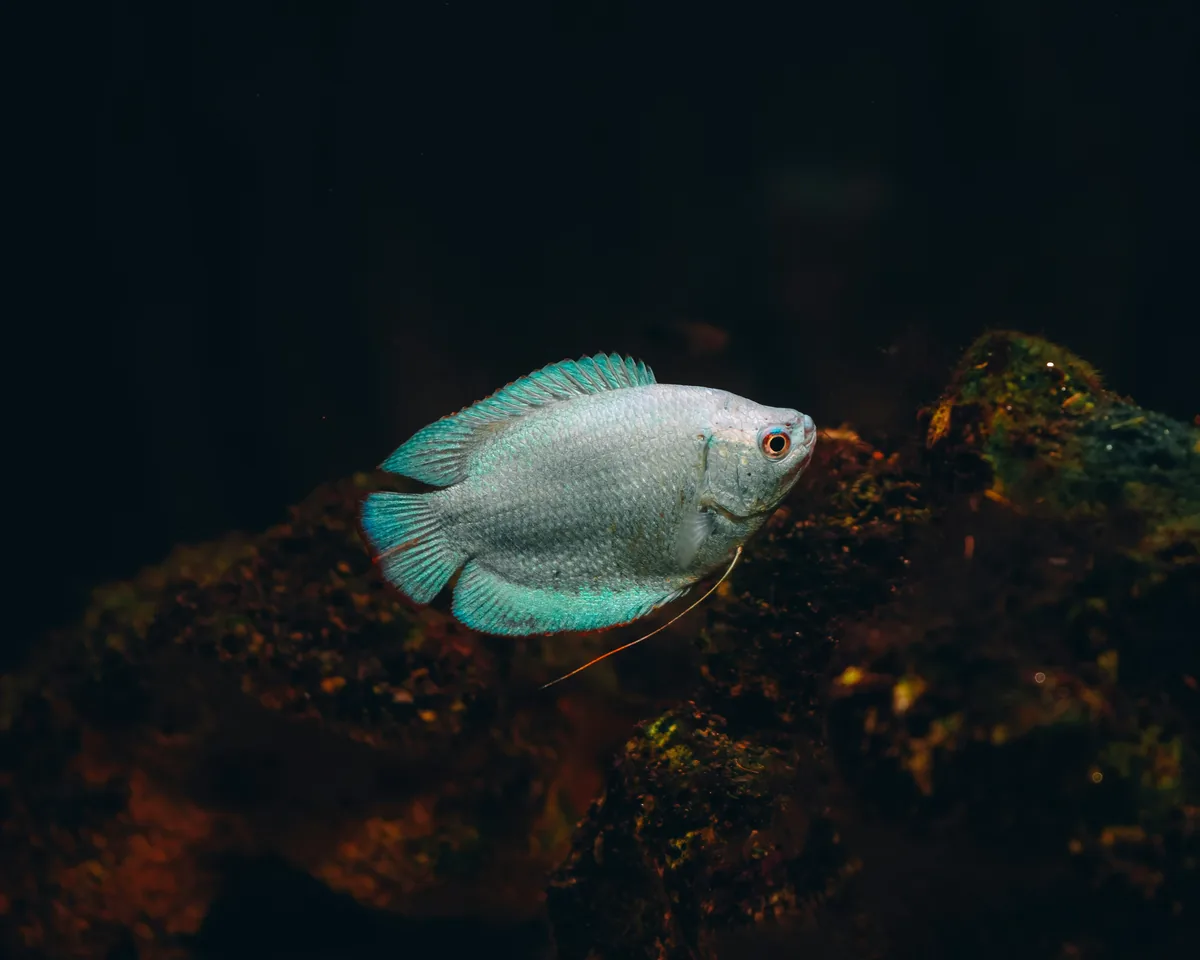
What Is a Centrepiece Fish?
A centrepiece fish is the visual focal point of your aquarium — the fish that draws the eye the moment someone looks at the tank. It's usually larger, more colourful, or more characterful than the other inhabitants. A well-chosen centrepiece fish brings the tank together aesthetically and gives it a sense of identity.
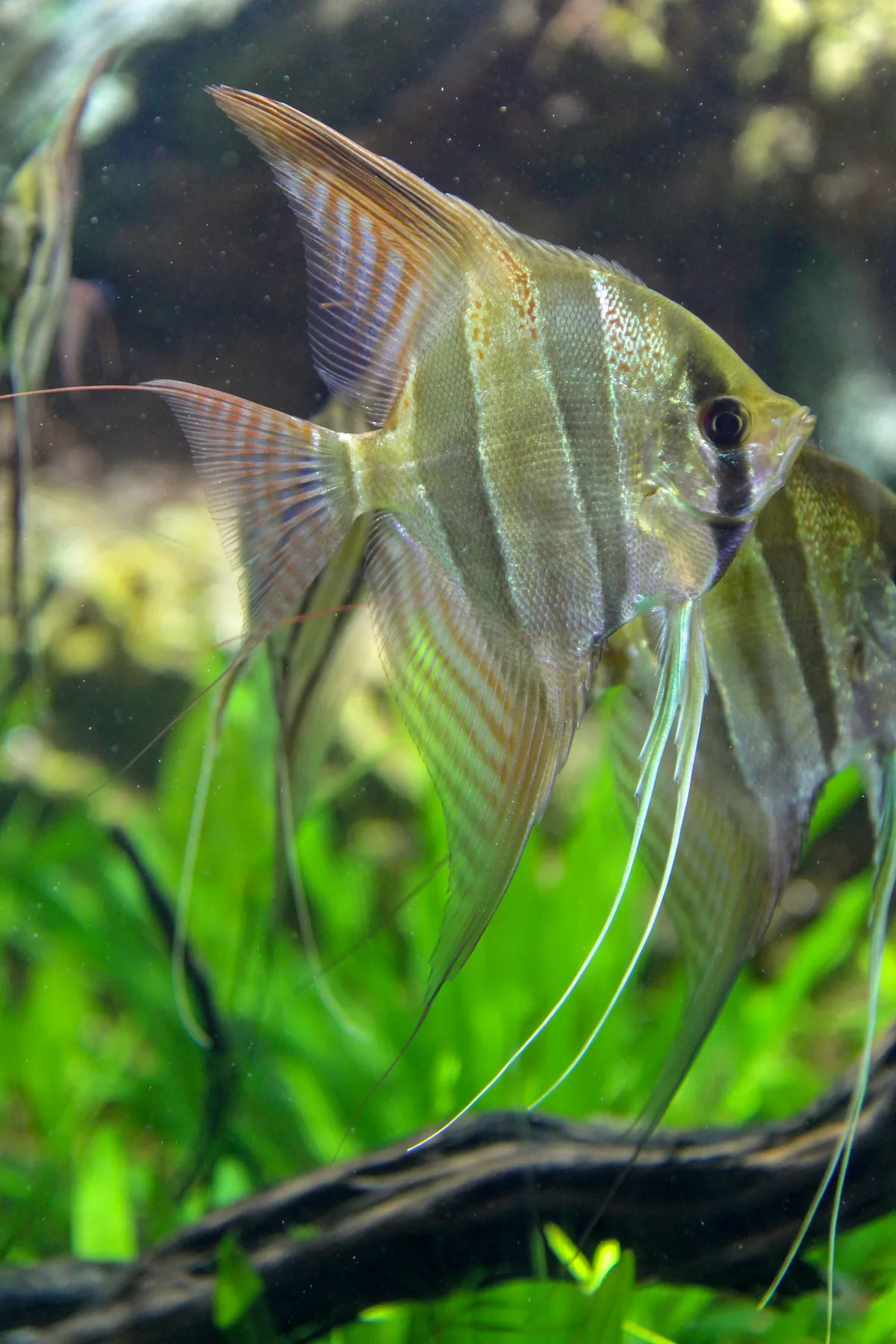
Good centrepiece fish are compatible with the community they share space with, tolerate the same water parameters, and don't need specialist care that would destabilise the whole tank.
10 Best Centrepiece Fish
1. Pearl Gourami
Pearl gouramis are one of the most beginner-friendly centrepiece fish available. They're peaceful, beautiful, and hardy. The pearl pattern across the body catches light uniquely. Males develop an orange-red chest when ready to breed. They reach around 10–12 cm and prefer slightly soft, warm water (24–28°C). Compatible with tetras, rasboras, corydoras, and most community fish.
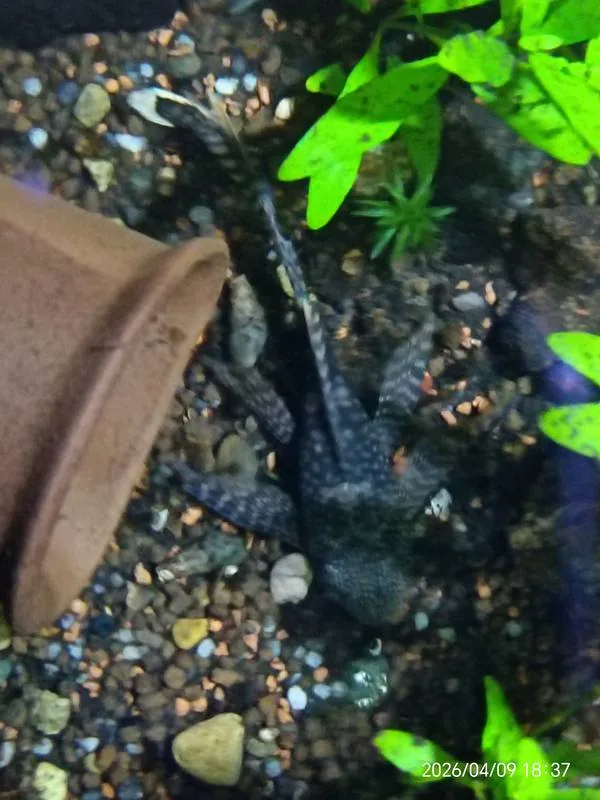
2. Angelfish
Angelfish are striking freshwater cichlids that command any tank they're in. The tall, triangular body profile and long trailing fins make them unmistakable. They grow to 15 cm and require a tank of at least 75 litres — taller than it is wide. Suitable for community tanks with fish that are too large to eat, but not with fin-nippers like tiger barbs. One of the most popular centrepiece choices for medium to large tanks.
3. Bolivian Ram
Bolivian rams (Mikrogeophagus altispinosus) are dwarf cichlids that stay compact — around 7–8 cm — but have enormous personality. They're bolder and more curious than German blue rams (Mikrogeophagus ramirezi), and significantly more forgiving of water quality. A pair will explore every corner of the tank and interact with their environment in ways most fish don't. Excellent for 60-litre community tanks and upwards.
4. Male Betta (Siamese Fighting Fish)
A male betta is one of the best centrepiece fish for a small tank. The flowing fins, intense colouration, and confident demeanour make them visually arresting. They work well as the sole centrepiece in a community of peaceful, short-finned fish — corydoras, small tetras, snails, and shrimp. One male betta per tank. Never house two males together. See our betta fish care guide for full detail.
5. Boesemani Rainbow Fish
Boesemani rainbow fish display an extraordinary split colouration — the front half of the body is blue-violet, the rear is bright orange-yellow. The colours intensify as the fish matures and are at their best in good lighting. They're schooling fish, so keep at least six together. They need a tank of 120 litres or more and are best in groups with other rainbow fish species.
6. Discus
Discus are the most visually impressive freshwater fish you can keep, but they're also the most demanding. They require very soft, warm water (28–31°C), pristine water quality, and specific feeding routines. They're not beginner fish. But for an experienced keeper with the right setup, a group of discus is unmatched as a centrepiece. Check our discus care guide for full requirements.
7. Apistogramma (Dwarf Cichlid)
Apistogramma species are small, jewel-like dwarf cichlids from South America. Males are brilliantly coloured — yellows, blues, and reds — while females are more subdued. They have complex behaviours and fascinating territorial displays. Most species stay under 8 cm and work well in planted community tanks. Apistogramma cacatuoides and A. agassizii are the most commonly available and most beginner-accessible species.
8. Electric Blue Acara
The electric blue acara is a hybrid cichlid that combines the blue acara's peaceful temperament with vivid metallic-blue colouration. It's one of the most visually striking fish in the hobby and is surprisingly peaceful for a cichlid. It reaches 15–18 cm and needs a 120-litre minimum tank. Compatible with most medium and large community fish.
9. Kribensis (Krib)
Kribensis (Pelvicachromis pulcher) are small West African cichlids that are underrated as centrepiece fish. The female develops a vivid cherry-red belly during breeding. They're pair-bonding fish with engaging behaviour, and they're genuinely hardy. They work well in community tanks with medium-sized fish and are one of the more forgiving cichlid options for beginners. Aim for a 60-litre minimum.
10. Flowerhorn Cichlid
Flowerhorns are hybridised cichlids known for their distinctive nuchal hump (the lump on the forehead), bold patterning, and extreme aggression. They are not community fish — they must be kept alone or with species that can genuinely hold their own. But as a solitary display fish in a large tank, a flowerhorn is a spectacular centrepiece. Minimum tank: 200 litres. Not for beginners.
How to Choose
Match the centrepiece fish to your tank size, existing community, and your experience level. Use the stocking calculator to check your planned combination before buying. Consider water parameter overlap — keeping a betta and discus together requires compromises that won't suit either fish well.
Most tanks benefit from a single centrepiece species rather than two competing focal points. Two large, visually dominant fish often create territory and stress problems even if they're technically compatible.